
All Stories
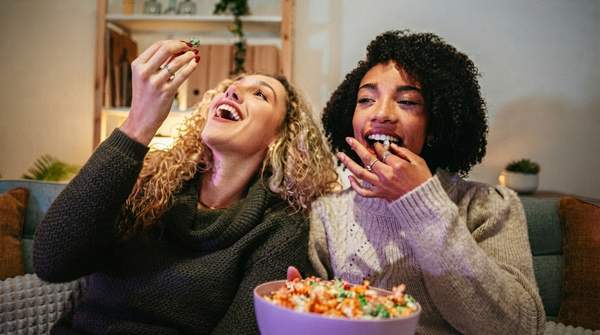
From Memory to Loyalty: The Four-Stage Psychology of Nostalgia-Driven Snack Brand Attachment
This article details a four-stage psychological model explaining how nostalgia drives snack brand loyalty. It outlines how sensory cues trigger memories, activate comfort and identity, and ultimately lead to repeat purchasing.
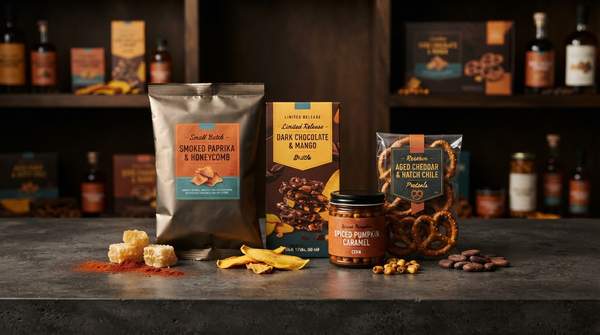
Why Limited Edition Snacks Work: The Psychology Brands Are Selling, and the Business Goals Behind It
Limited edition snacks strategically leverage psychological triggers like scarcity, novelty, FOMO, and exclusivity to drive consumer desire and achieve specific business goals. Brands use these ephemeral releases not just for immediate sales, but to test new flavors, generate buzz, and cultivate lasting customer loyalty.

Allulose for Browning, Monk Fruit or Stevia for Your Coffee: Picking the Right Natural Sweetener
Allulose is the ideal sweetener for baking applications requiring browning and texture, behaving much like sugar. For sweetening beverages or other foods where browning is irrelevant, monk fruit or stevia offer zero calories and minimal aftertaste.

Vanilla's Unexpected Healing Potential: A Flinders University Discovery
Researchers at Flinders University have discovered that vanillin, the primary component of vanilla, possesses significant antioxidant, anti-inflammatory, and antibacterial properties. This finding positions vanillin as a promising, low-cost candidate for advanced wound-healing formulations and other biomedical applications.

What to Check Before Adding UltraBann to an Existing Supplement Routine
For men seeking the best male performance supplements with natural options, understanding how to safely integrate a new product like UltraBann into an existing routine is paramount. The decision to enhance a personal wel…
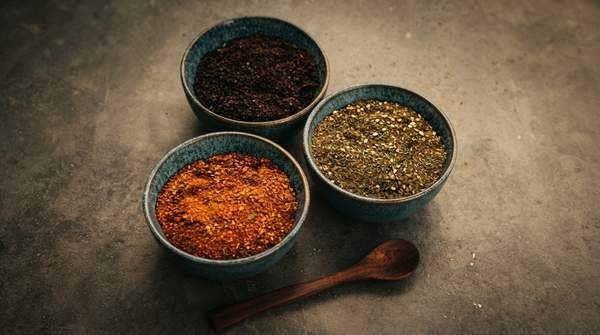
Sumac vs. Za'atar: One Is a Berry, One Is a Blend — Here's How to Tell Them Apart
Sumac is a single, ground berry spice offering a tangy, lemon-like flavor, while za'atar is a versatile blend typically combining sumac with herbs like thyme, sesame seeds, and salt. Understanding their distinct compositions and flavor profiles is key to using them effectively in cooking.

From Tongue to Molecule: How Electronic Taste Sensors and Metabolomics Pinpoint What Makes Food Bitter or Sour
Electronic tongues and metabolomics provide objective tools for food developers to pinpoint the exact molecules responsible for specific tastes like bitterness or sourness. This pairing moves flavor analysis from subjective panels to molecular evidence, revolutionizing food innovation and quality control.
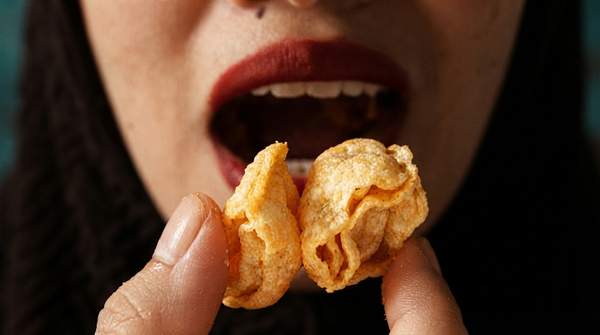
The Science of the Perfect Crunch: Why Sound, Structure, and Psychology Make Snacks So Satisfying
The satisfying crunch of snacks is a multisensory event, influenced by physical structure, moisture control, and the sound of the bite. This auditory feedback, combined with texture and psychology, shapes our perception of freshness, taste, and overall satisfaction.
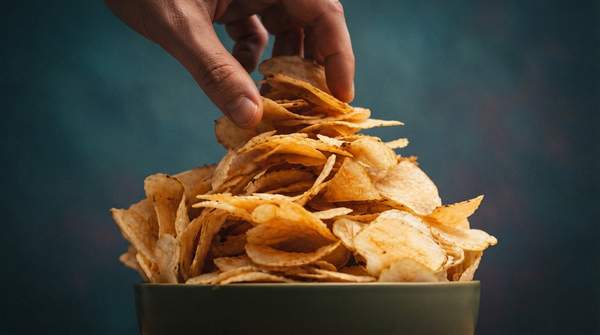
What's Driving Your Snack Craving? A Scientific Guide to Taking Control
Food cravings are complex, driven by biological, psychological, and environmental factors, not just a lack of willpower. Understanding these drivers is the first step toward managing your urges intentionally.

Buying Acid-Free Coffee in 2026: What to Know, With Tylers Coffees in the Mix
Choosing the right coffee is becoming a more deliberate, health-focused decision for many. As consumer behavior shifts towards gut-friendly options, the market for acid-free coffee is expanding, bringing new products and…
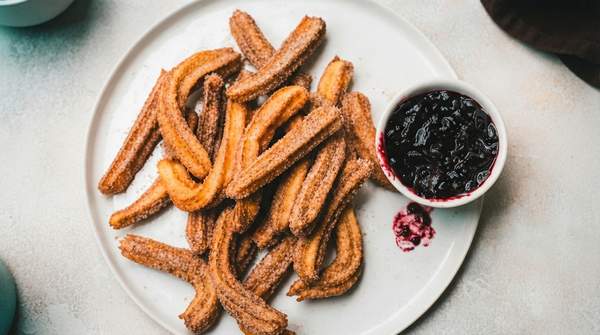
Four Origin Stories, One Pastry: Untangling the Churro's Disputed History
The history of the churro is a culinary mystery with at least four competing origin stories, from ancient Roman fritters to Spanish shepherd snacks. This beloved fried pastry evolved through various cultures and trade routes, leading to distinct regional variations still enjoyed today.
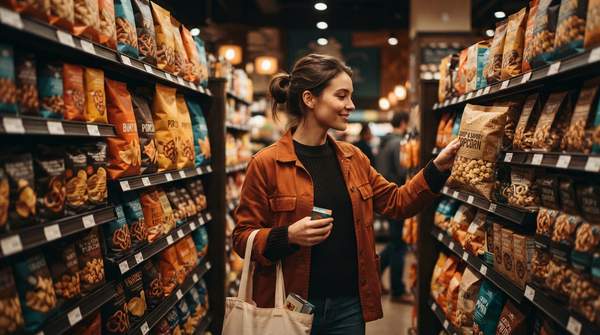
The Psychology of the Snack Aisle: Why You Buy Treats on Impulse
Impulse snack buying is a predictable psychological process driven by internal emotional states and external retail cues, often explained by the Stimulus-Organism-Response model. Understanding these triggers and motivations, whether seeking pleasure or avoiding negative feelings, empowers conscious decision-making.

Prebiotics vs. Probiotics: What to Eat for a Healthy Gut
Prebiotics are the specialized fibers that fuel beneficial gut bacteria, while probiotics are the live microorganisms themselves. Understanding their distinct roles and consuming both through a balanced diet is key to fostering a healthy gut microbiome.
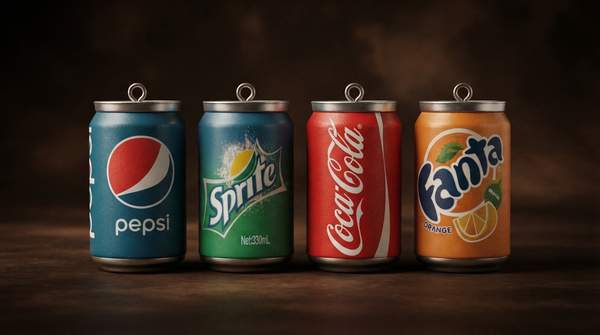
Soda Sugar Showdown: How Coca-Cola, Pepsi, and Sprite Compare
This article compares the sugar content and flavor profiles of Coca-Cola, Pepsi, and Sprite, exploring the trade-offs between traditional sugary drinks and their zero-sugar alternatives. It delves into the health questions surrounding artificial sweeteners versus sugar to help consumers make informed choices.

How PetREGEN's Regenerative Nutrition Supports Pets with Skin and Paw Health
PetREGEN introduces a new category of regenerative nutrition for pets, offering a foundational approach to skin and paw health. Unlike traditional supplements, it uses plant-based nutrients to activate the pet's own adult stem cells, supporting natural repair and reducing inflammation from within.
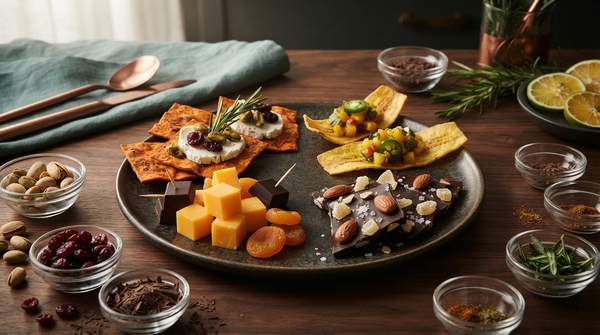
The Science of Snack Pairing: How to Create Your Own Flavor Combinations
Discover the science behind delicious snack pairings, exploring how shared aroma compounds create harmony and contrasting flavors provide excitement. Learn to use the Snack Flavor Compass to intentionally craft your own unique and balanced flavor combinations.
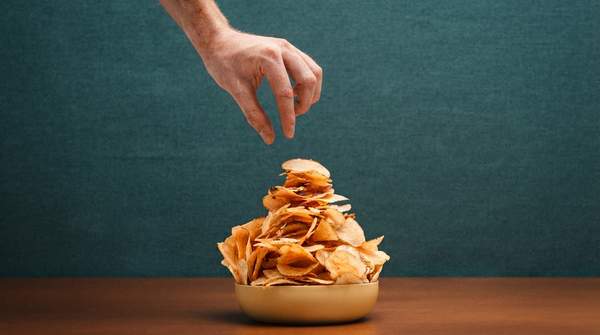
The Anatomy of a Snack Craving: From Fleeting Thought to Urgent Need
Snack cravings are complex phenomena driven by an interplay of physiological signals and cognitive processes, not just a lack of willpower. Understanding the stages from trigger to elaboration is key to managing these urges.

How Dog Dental Treats Clean Teeth: A Guide to the Science and the VOHC Seal
Dog dental treats clean teeth through mechanical abrasion and chemical action, with the VOHC seal indicating proven effectiveness in reducing plaque and tartar.

The Science of Satisfaction: How Crystal Structure Creates a Chocolate Bar's Perfect Snap and Melt
The satisfying snap and melt of premium chocolate are scientifically engineered through the precise crystallization of cocoa butter into stable Form V crystals via tempering. This meticulous process ensures a superior sensory experience.

Here Are The Surprising Ways the Menu-Order AI App Simplifies Your Social Life in 2026
The Menu-Order AI app simplifies social dining by providing personalized, pre-order guidance and "Smart Tweaks" to navigate complex menus, addressing the anxiety of healthy eating in 2026. It acts as an intelligent dining companion, empowering confident choices rather than just logging post-meal data.

The Psychology of Small Plates: Why We Crave Variety, Control, and Connection
The trend of ordering small plates is driven by psychological factors, satisfying cravings for variety, social connection, and control over the meal experience. This dining style allows for culinary exploration, flexible portioning, and a focus on quality, making meals more interactive and satisfying.
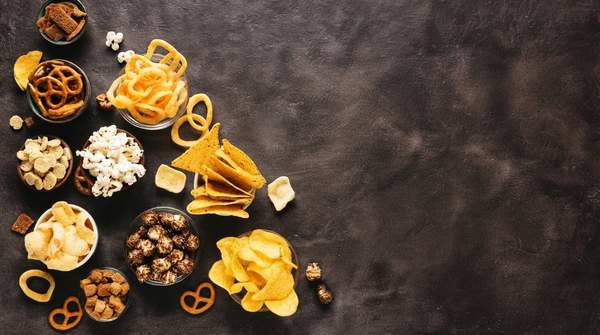
How Snack Brands Are Balancing Value, Health, and Indulgence
Modern snack brands must navigate consumer demands for affordability, health benefits, and indulgent experiences. Successful companies innovate by balancing these competing priorities through strategic product development and marketing.
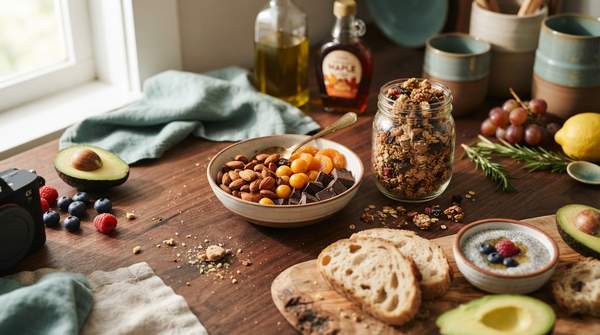
What 'Clean Label' Really Means for Your Snacks
"Clean label" on snacks signifies simple, recognizable ingredients and no artificial additives, but it's not a regulated term. True "cleanliness" also involves assessing hidden contaminants beyond the ingredient list, requiring consumers to look for third-party verification.
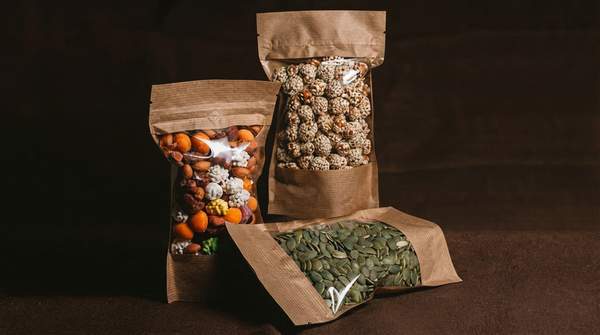
Choosing Sustainable Snack Packaging: A Guide to Real-World Costs and Benefits
Choosing sustainable snack packaging involves balancing cost, product protection, and end-of-life realities, with recyclability often proving more practical than compostability due to current infrastructure limitations. The ideal material depends on aligning with available waste management systems and consumer behavior.