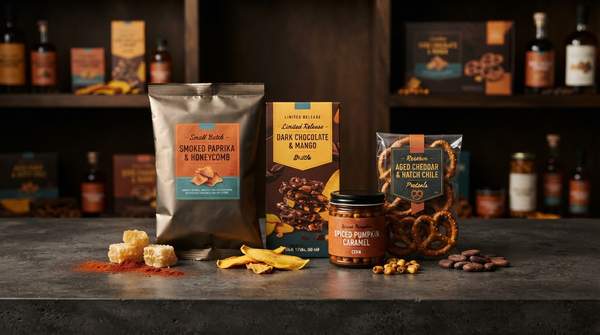
That seasonal Oreo or 24-hour-only flavor drop isn't an accident of the product development calendar—it's a calculated piece of psychology with a business plan attached. Limited edition snacks work because they activate four distinct psychological triggers: scarcity, novelty, fear of missing out, and exclusivity. Each trigger is deliberately manufactured by a specific marketing tactic, and each tactic serves a strategic purpose beyond the immediate sale: testing new flavors cheaply, generating organic buzz, and pulling new or lapsed customers toward the core product line.
The Allure of the Ephemeral: Why Limited Edition Snacks Captivate Us
The strange thing about limited edition snacks is that we see the trick coming and fall for it anyway. As marketing commentator Jodie Shaw observes, the words "limited edition" flip a switch: a product we might ignore on a normal day suddenly feels like something we have to grab before it disappears. Marketers have leaned on scarcity for decades, she notes, but in a culture of instant sharing and viral hype, scarcity has become both more obvious and more effective.
The mechanism underneath is well documented. Writing in Influence, psychologist Robert Cialdini argued that opportunities seem more valuable when their availability is limited—a principle that PR and marketing analysis of scarcity strategies echoes: people place higher value on items they believe are in short supply. By controlling how many units exist or how long an item stays on sale, companies can transform an everyday snack into a coveted treasure. The limited edition format simply industrializes that instinct.