
Food Science
30 articles
Why Your Chip Tastes Better When It's Loud: The Science of Texture and Flavor
Texture significantly influences how we perceive flavor through physical breakdown, auditory cues, and psychological associations. Understanding these three mechanisms reveals how mouthfeel actively shapes our taste experience.
The Taste of Fizz: How Carbonation Chemically Rewrites a Drink's Flavor, Texture and Shelf Life
Carbonation is a complex sensory phenomenon where dissolved CO2 chemically transforms beverages, creating acidity, altering mouthfeel, enhancing aroma, and improving shelf life. It interacts with taste receptors and nerves to create a multi-faceted experience beyond simple bubbles.

How Menthol Fools Your Brain Into Feeling Cold — and Why Food Scientists Have Better Options
Menthol creates a sensation of cold by activating the TRPM8 receptor, tricking the brain into perceiving a temperature drop without any actual cooling. Food scientists can precisely engineer cooling sensations in products by selecting from a spectrum of synthetic TRPM8 agonists with varying potency and duration.
How Food Scientists Build Meat Flavor Into Plants: Two Pathways, One Goal
Food scientists employ two main strategies to imbue plant-based foods with meat-like flavor: direct ingredient formulation and bioprocessing through fermentation. These methods, often used in combination, aim to replicate the complex sensory experience of animal meat.
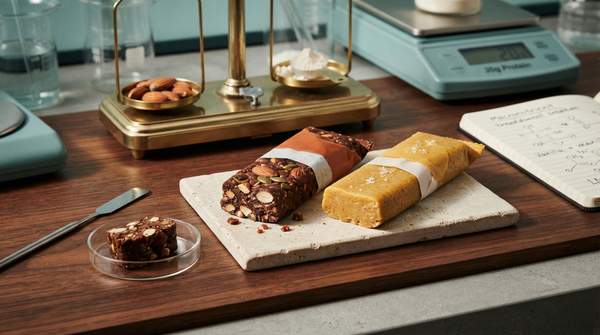
How to Read a Protein Bar Label Like a Food Scientist: A Two-Bar Masterclass
Learn to decipher protein bar labels like a food scientist by analyzing key metrics such as protein source, sugar-to-fiber balance, and ingredient lists. This guide offers a practical framework to choose the best protein bar for your specific goals, whether post-workout recovery, meal replacement, or a low-sugar snack.

Mouthfeel: The Science of What Food Does in Your Mouth, Beyond Taste and Texture
Mouthfeel encompasses the physical sensations of food and drink in the mouth, extending beyond taste and texture to include touch, pressure, and residual feelings. Understanding its distinct attributes and measurement methods allows for precise product optimization.

Xanthan, Konjac, or Carrageenan? Matching the Hydrocolloid to the Snack Problem
Snack formulators use hydrocolloids like xanthan gum, konjac, and carrageenan to manage water and solve common product defects, with each offering distinct benefits from reducing oil absorption to achieving firmness or controlling moisture.
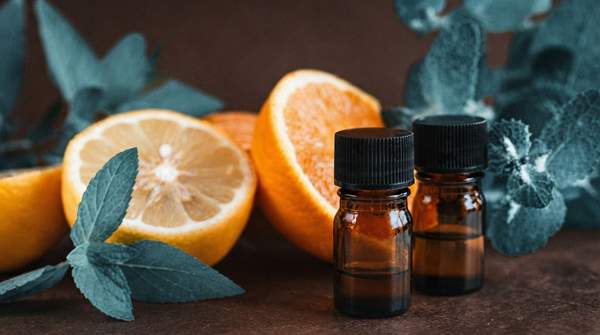
How Natural Flavors Are Made: Extraction, Fermentation, and the FDA's Definition
The FDA defines 'natural flavors' as derived from plant or animal sources and produced using common food processes like extraction and fermentation, clarifying that the label signifies origin and process, not simplicity or health.
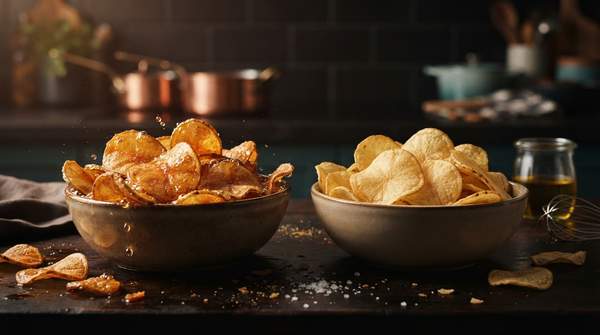
Oil or Air? The Science Behind Why Deep-Fried and Air-Fried Starchy Snacks Taste So Different
Deep-frying and air-frying create distinct textures and flavors in starchy snacks due to fundamental differences in heat transfer and moisture dynamics. Understanding the science behind oil immersion versus circulating hot air reveals why deep-fried snacks have richer, oil-infused flavors and greater expansion, while air-fried snacks offer crispness with less fat.

How Food Scientists Hide the Beany, Bitter Truth in Plant-Based Snacks
Plant-based snacks often suffer from undesirable beany, bitter, or grassy off-flavors inherent in proteins like pea and soy. Food scientists employ techniques such as blocking taste receptors and using competitive aromas to neutralize these notes and enhance palatability.
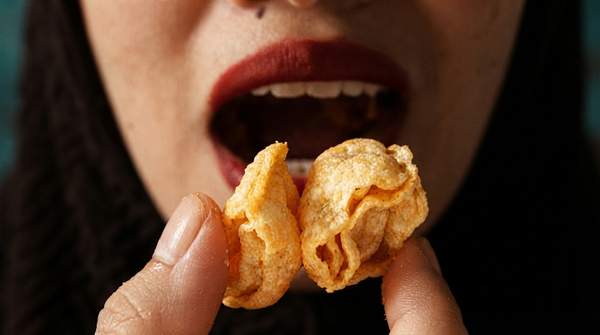
The Science of the Perfect Crunch: Why Sound, Structure, and Psychology Make Snacks So Satisfying
The satisfying crunch of snacks is a multisensory event, influenced by physical structure, moisture control, and the sound of the bite. This auditory feedback, combined with texture and psychology, shapes our perception of freshness, taste, and overall satisfaction.

From Tongue to Molecule: How Electronic Taste Sensors and Metabolomics Pinpoint What Makes Food Bitter or Sour
Electronic tongues and metabolomics provide objective tools for food developers to pinpoint the exact molecules responsible for specific tastes like bitterness or sourness. This pairing moves flavor analysis from subjective panels to molecular evidence, revolutionizing food innovation and quality control.
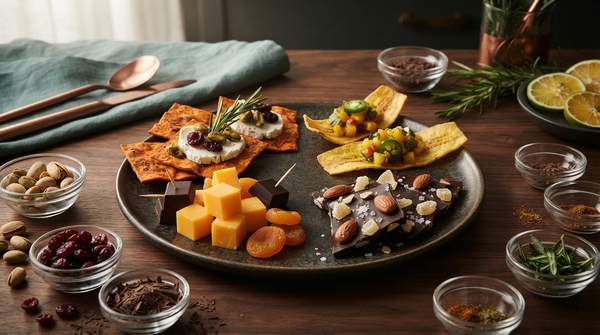
The Science of Snack Pairing: How to Create Your Own Flavor Combinations
Discover the science behind delicious snack pairings, exploring how shared aroma compounds create harmony and contrasting flavors provide excitement. Learn to use the Snack Flavor Compass to intentionally craft your own unique and balanced flavor combinations.
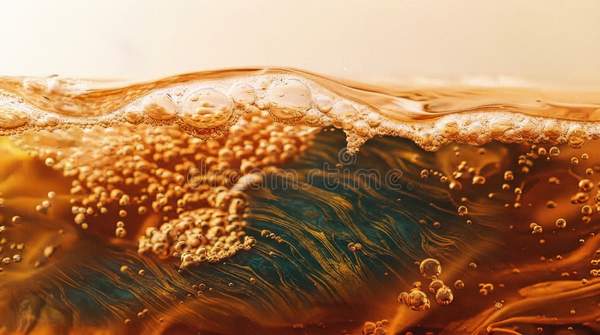
How Fermentation Works: The Science Behind Your Food's Flavor and Fizz
Fermentation is a microbial process where beneficial organisms consume sugars and starches in food, producing acids, alcohol, and gases that transform its flavor, texture, and preservation. Understanding the science behind these transformations helps in choosing between pasteurized commercial products and unpasteurized homemade ferments.
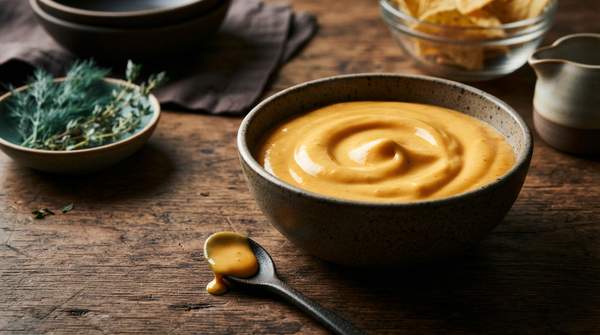
How Emulsifiers Keep Your Snack Dips and Sauces Perfectly Blended
Emulsifiers are essential ingredients that prevent oil and water from separating in creamy dips and smooth sauces. Their amphiphilic molecules bridge the gap between these liquids, stabilizing emulsions through reduced interfacial tension and protective barriers.

What is the science behind umami's savory sensation?
The savory sensation of umami isn't just about glutamate; combining it with 5′-inosinate can make the taste eight times more intense than glutamate alone.

From Pollution to Plate: Scientists Turn PET Plastic into Edible Cookies
Scientists have successfully transformed polyethylene terephthalate (PET) plastic and agricultural waste into nutritious edible cookies, dubbed 'µBites', using genetically reprogrammed yeasts, accordi

Sugar substitutes: The ongoing debate on health effects
The International Agency for Research on Cancer (IARC), a specialized cancer agency of the World Health Organization, recently classified aspartame as 'possibly carcinogenic to humans' (Group 2B).

Lab-Grown Protein Cookies Made From Plastic Bottles and Corn Waste
Researchers at Southern Illinois University have engineered microbes capable of breaking down discarded plastic bottles and corn waste into protein-rich cookies.

Top 5 Best New Low-Carb Keto Snacks for 2026
A recent blind taste test revealed that 3 out of 5 tasters couldn't distinguish a new keto-friendly chocolate bar from its full-sugar counterpart.

What Are Flavor Masking Agents and How Do They Work?
Patient compliance for oral medications can jump from 53% to 90% simply by adding flavor masking agents, dramatically improving healthcare outcomes.

What Is Homemade Snack Bar Science: Flavor, Texture, and Nutrition?
A new study developed oat- and millet-based snack bars enriched with elderberry powder that achieved high taste scores, yet contained no added sweeteners or artificial additives.

What Happens to Taste and Smell as We Age?
More than 75% of people over the age of 80 years have evidence of major olfactory impairment, profoundly altering their daily experience of food, according to PMC .

Algae Extracts Elevate Protein Ketchup's Nutritional Value
A recent study revealed that adding just 3% algal extract to ketchup can double its protein content, while taste testers still preferred its flavor, according to Phys .

How Specific Brain Neurons Control Food Cravings
In the mouse brain, specific neuron populations encode memories for sugar and fat, a discovery explaining why nearly 99% of adults experience powerful food cravings.

AI Can Design Your Next Favorite Burger. Do You Trust It?
BurgerAI's Mushroom Burger achieved an environmental impact more than an order of magnitude lower than a popular fast-food burger, marking a substantial leap in sustainable food production.

How Do Scientific Principles of Kombucha Fermentation Affect Tea?
Sales of kombucha are projected to reach 10.

Caesar Dressing is the Best Kitchen Staple for Grilled Corn
Forget butter and salt: a surprising kitchen staple, Caesar dressing, is being hailed as the secret weapon to elevate grilled corn's flavor profile in 2026.

Consumers prioritize protein on nutrition labels for value
Nearly half of all shoppers, 42%, now actively scan nutrition labels specifically for protein content before buying a product, according to Food Dive .

Texture Emerges as Key Driver in Confectionery Innovation
Kracie Foods, a Japanese innovator, has engineered a 'flesh-like' candy.