
Aylin Kaya
Editorial byline
Aylin Kaya is an editorial byline for Snacks and Cravings, with a focus on Global Flavors, Healthy Bites, Recipes. Biographical credentials and external profiles are published only after verification.
Learn more about our editorial process and use of automation in our AI & Automation disclosure.
Coverage Areas
Latest Articles
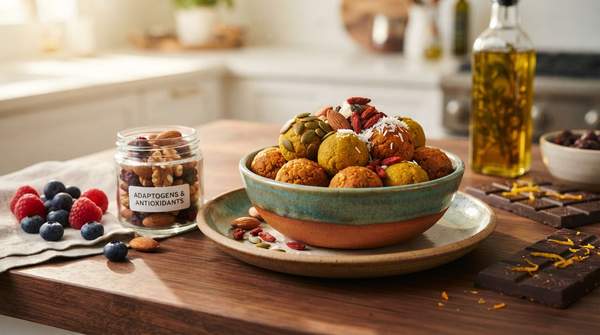
Functional Snacks, Decoded: What the Term Really Means and How to Judge the Claims on the Label
"Functional snack" is an undefined marketing term promising health benefits beyond basic nutrition, but the lack of legal definition in the US requires consumers to critically evaluate label claims. The article provides a framework to assess ingredients, quantities, and compare processed snacks to their whole-food counterparts.
Nov 8, 2026 · 4 min read
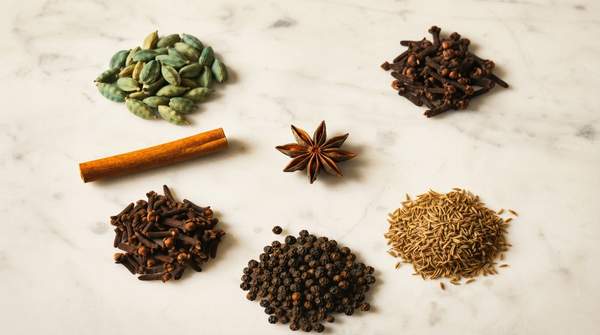
How Science Explains Complex Spice Blends: The Framework Behind Ras el Hanout
Discover the scientific principles behind complex spice blends like Ras el Hanout, moving beyond intuition to understand flavor chemistry. Learn about congruent vs. complementary pairings and the base-contrast-bridge model for deliberate blend design.
Nov 6, 2026 · 5 min read
Not All Fiber Is the Same: How to Pick Snacks for Regularity, Fullness, or a Happier Gut
Fiber isn't a single nutrient; its properties like solubility, viscosity, and fermentability determine its effects on regularity, satiety, blood sugar, and gut health. Choosing snacks based on these specific fiber types can target your digestive goals.
Nov 5, 2026 · 5 min read
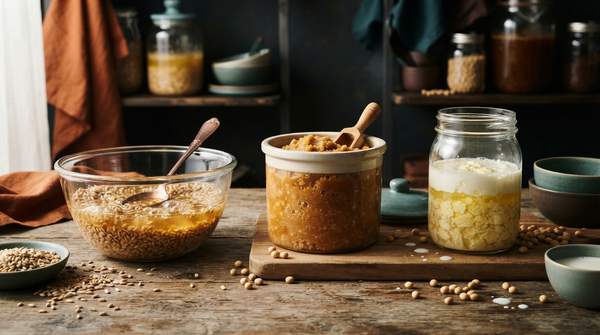
Three Enzymes, Three Transformations: How Amylase, Protease, and Lipase Build the Flavors and Textures of Fermented Foods
Three key enzymes—amylase, protease, and lipase—are the biochemical workforce behind the distinct flavors and textures of fermented foods. Understanding their specific roles in breaking down starches, proteins, and fats is crucial to appreciating how foods like bread and cheese are transformed.
Nov 1, 2026 · 4 min read
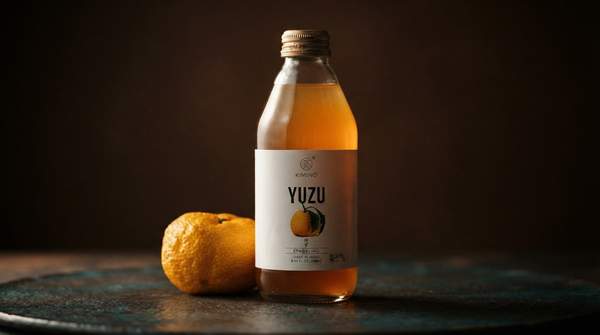
Ube, the Purple Yam Winning Over the US Snack Aisle
Ube, a vibrant purple Filipino yam, is rapidly gaining popularity in the US snack aisle, captivating consumers with its unique, subtly sweet flavor and striking natural color. Bridging tradition and innovation, its journey from Filipino desserts to mainstream pastries and ice creams reflects a broader trend of global flavors becoming accessible.
Oct 31, 2026 · 4 min read
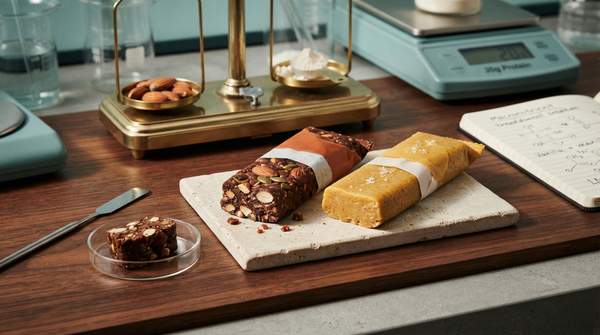
How to Read a Protein Bar Label Like a Food Scientist: A Two-Bar Masterclass
Learn to decipher protein bar labels like a food scientist by analyzing key metrics such as protein source, sugar-to-fiber balance, and ingredient lists. This guide offers a practical framework to choose the best protein bar for your specific goals, whether post-workout recovery, meal replacement, or a low-sugar snack.
Oct 30, 2026 · 5 min read
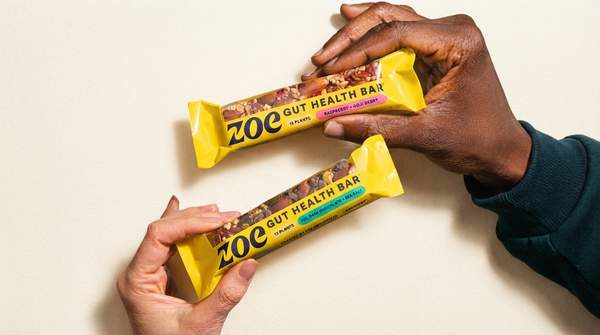
ZOE vs. Biomel: Which New Gut Health Bar Actually Earns Its Name?
This article compares two new gut health bars, ZOE and Biomel, evaluating their distinct philosophies on plant diversity versus high fiber content and sugar levels. It provides a framework to help consumers choose the bar that best aligns with their individual gut health goals.
Oct 28, 2026 · 4 min read
Sugar vs. Its Substitutes: What the Science Actually Says About Calories, Blood Sugar, and Risk
While swapping sugar for non-nutritive sweeteners reliably removes calories and blood sugar spikes, the science on their long-term health effects, including gut microbiota and metabolic impacts, is still evolving. Excess sugar's risks are well-documented, but the debate around substitutes continues.
Oct 28, 2026 · 5 min read
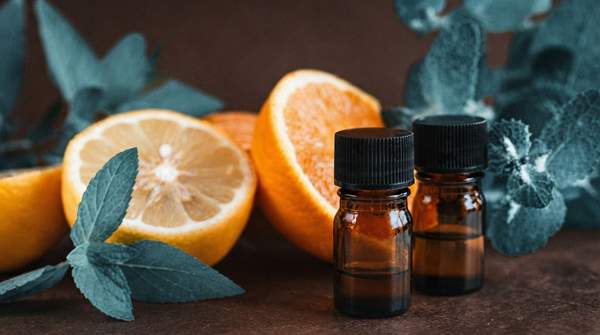
How Natural Flavors Are Made: Extraction, Fermentation, and the FDA's Definition
The FDA defines 'natural flavors' as derived from plant or animal sources and produced using common food processes like extraction and fermentation, clarifying that the label signifies origin and process, not simplicity or health.
Oct 27, 2026 · 5 min read
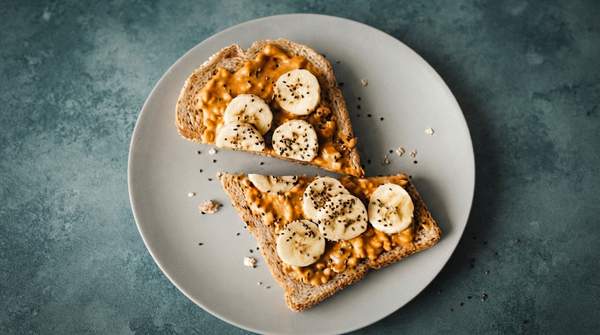
5 Late-Night Snacks That Keep Your Blood Sugar Steady Until Morning
Learn how to choose late-night snacks that promote stable blood sugar levels until morning by combining protein, fiber, and complex carbohydrates. This balanced approach helps prevent overnight glucose spikes and supports better morning readings.
Oct 24, 2026 · 4 min read
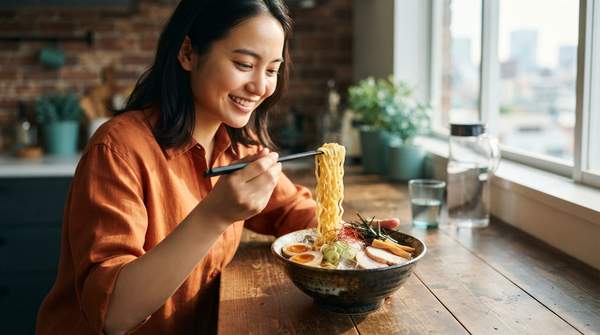
Why Japan Went Wild for Noodles You Make With Cold Water
Nissin's Hiyashi Cup Noodle has become a viral sensation in Japan by enabling instant noodles to be prepared with cold water, solving a problem of needing a kettle. This innovation opens up new eating occasions and practical applications where hot water is unavailable.
Oct 23, 2026 · 4 min read
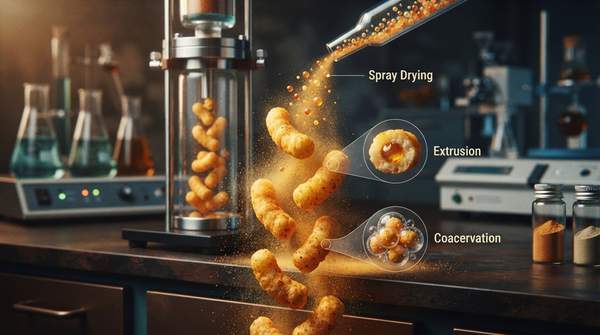
How Flavor Encapsulation Works in Snacks: Spray Drying, Extrusion, and Coacervation Explained
Flavor encapsulation protects delicate flavor compounds in snacks from processing and storage, ensuring they release at the right moment. This article explains how spray drying, melt extrusion, and complex coacervation achieve this, detailing their mechanisms and ideal applications.
Oct 22, 2026 · 5 min read
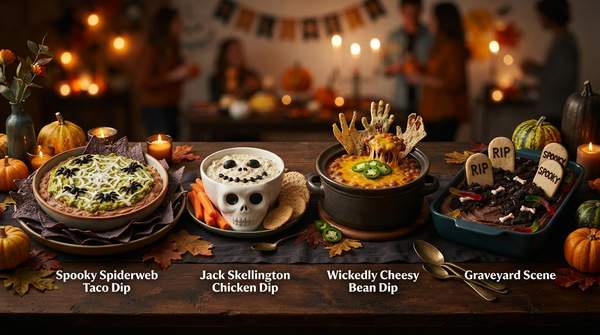
Four Halloween Dips Compared: Which Spooky Spread Fits Your Party?
Planning a Halloween party? Discover four distinct dips—Spiderweb Taco, Jack Skellington Chicken, Halloween Bean, and Graveyard—each offering a unique visual payoff and time commitment to suit your spooky celebration.
Oct 21, 2026 · 5 min read
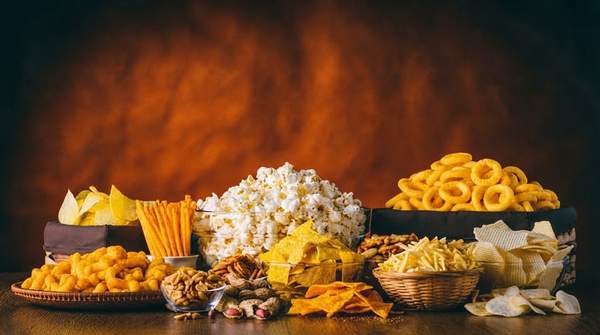
Five International Flavors Quietly Taking Over the US Snack Aisle
Five international flavors—ube, gochujang, yuzu, miso, and kimchi—are increasingly appearing in US snack products, offering consumers adventurous new tastes. This guide explores their origins, flavor profiles, and where to find them.
Oct 19, 2026 · 4 min read

Why Water Activity, Not Moisture Content, Decides Whether Your Snack Spoils or Stays Crisp
Water activity (aw), not total moisture content, is the critical factor determining a snack's shelf life, microbial spoilage, and texture. Understanding aw helps predict and prevent issues like staleness, mold growth, and loss of crispness by managing moisture availability.
Oct 19, 2026 · 5 min read

How Food Scientists Hide the Beany, Bitter Truth in Plant-Based Snacks
Plant-based snacks often suffer from undesirable beany, bitter, or grassy off-flavors inherent in proteins like pea and soy. Food scientists employ techniques such as blocking taste receptors and using competitive aromas to neutralize these notes and enhance palatability.
Oct 16, 2026 · 5 min read
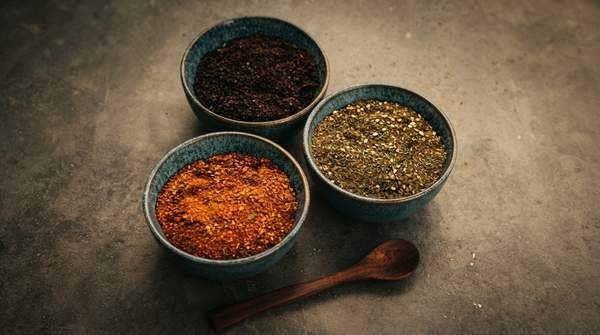
Sumac vs. Za'atar: One Is a Berry, One Is a Blend — Here's How to Tell Them Apart
Sumac is a single, ground berry spice offering a tangy, lemon-like flavor, while za'atar is a versatile blend typically combining sumac with herbs like thyme, sesame seeds, and salt. Understanding their distinct compositions and flavor profiles is key to using them effectively in cooking.
Oct 16, 2026 · 4 min read
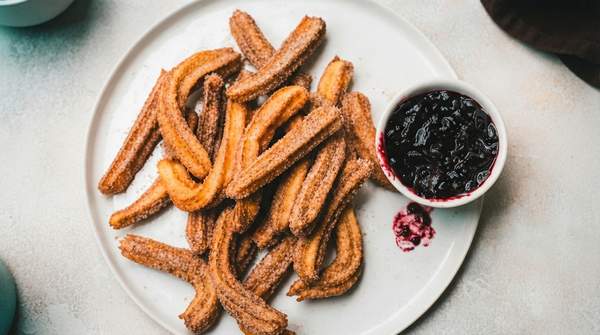
Four Origin Stories, One Pastry: Untangling the Churro's Disputed History
The history of the churro is a culinary mystery with at least four competing origin stories, from ancient Roman fritters to Spanish shepherd snacks. This beloved fried pastry evolved through various cultures and trade routes, leading to distinct regional variations still enjoyed today.
Oct 14, 2026 · 4 min read
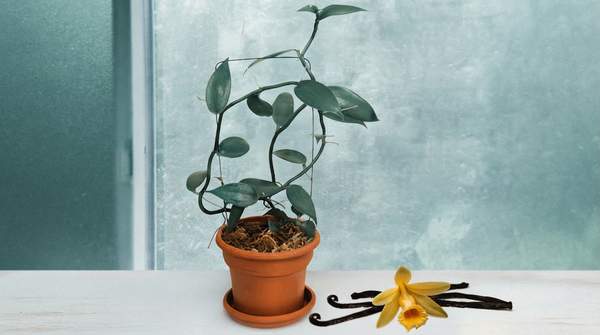
Vanilla's Unexpected Healing Potential: A Flinders University Discovery
Researchers at Flinders University have discovered that vanillin, the primary component of vanilla, possesses significant antioxidant, anti-inflammatory, and antibacterial properties. This finding positions vanillin as a promising, low-cost candidate for advanced wound-healing formulations and other biomedical applications.
Oct 12, 2026 · 3 min read
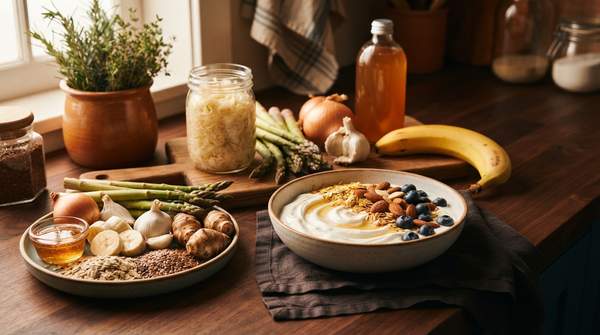
Prebiotics vs. Probiotics: What to Eat for a Healthy Gut
Prebiotics are the specialized fibers that fuel beneficial gut bacteria, while probiotics are the live microorganisms themselves. Understanding their distinct roles and consuming both through a balanced diet is key to fostering a healthy gut microbiome.
Oct 11, 2026 · 4 min read