
Artificial Sweeteners
4 articles

Sugar vs. Its Substitutes: What the Science Actually Says About Calories, Blood Sugar, and Risk
While swapping sugar for non-nutritive sweeteners reliably removes calories and blood sugar spikes, the science on their long-term health effects, including gut microbiota and metabolic impacts, is still evolving. Excess sugar's risks are well-documented, but the debate around substitutes continues.
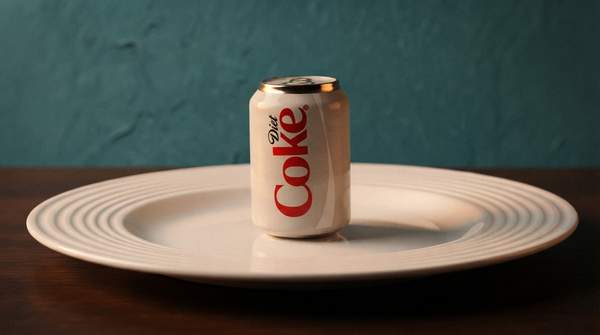
Why Dietitians Tell Daily Diet Soda Drinkers to Slow Down: The Science Behind the Caution
Dietitians advise caution on daily diet soda consumption, citing observational studies that link it to health issues and proposing biological mechanisms like insulin confusion and gut microbiome disruption. While causation isn't proven, the consistent associations warrant a closer look at your habits.
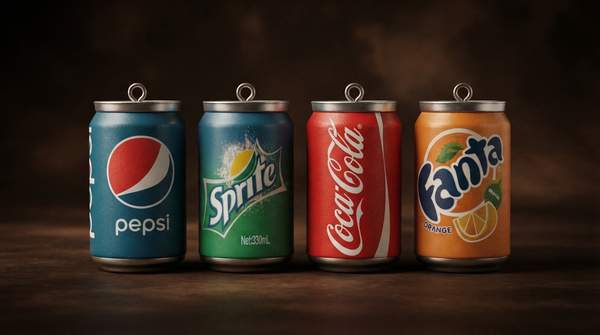
Soda Sugar Showdown: How Coca-Cola, Pepsi, and Sprite Compare
This article compares the sugar content and flavor profiles of Coca-Cola, Pepsi, and Sprite, exploring the trade-offs between traditional sugary drinks and their zero-sugar alternatives. It delves into the health questions surrounding artificial sweeteners versus sugar to help consumers make informed choices.

Sugar substitutes: The ongoing debate on health effects
The International Agency for Research on Cancer (IARC), a specialized cancer agency of the World Health Organization, recently classified aspartame as 'possibly carcinogenic to humans' (Group 2B).