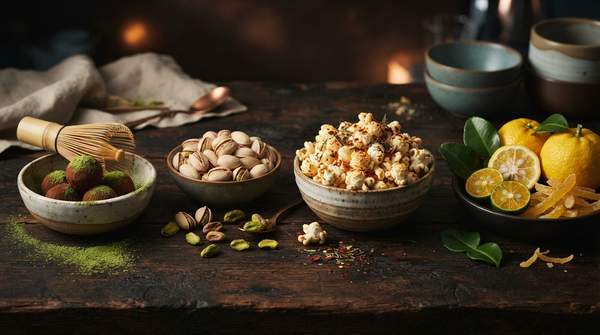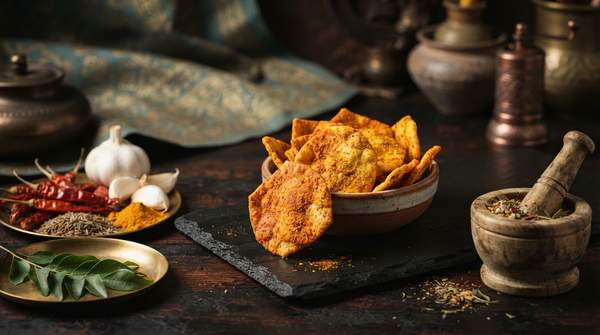
Snack shoppers are paying a premium for authenticity—but "authentic" is doing a lot of work on the front of a snack pack. What actually earns that trust is not a generic "ethnic" or "spicy" label but a cluster of observable cues: a named region of origin, traditional ingredients or processes, and a brand story that ties the two together. The good news for consumers is that these cues can be checked, one by one, before you buy.
The Authenticity Premium: What Consumers Seek in Global Snack Flavors
Across US and UK snack aisles, specificity is outperforming generality. Tastewise, which tracks a US consumer panel, reports that interest in snacks described as authentic grew 28% over a recent twelve-month span, and that interest in Cajun snacks rose 50%, Caribbean 33%, Southern US 30% and Brazilian 29%. Broad labels moved the other way: fusion fell 35% and Japanese fell 11%, while generic chocolate snack interest dropped 8% even as pimento rose 43%.
Industry analysts see the same pull toward place. Writing for Euromonitor International, Karine Dussimon described localism as a consumer response to globalization, noting that the 2019 success of salted egg snacks in Southeast Asia came from brands such as Irvins and Golden Duck taking a flavor common in regional foodservice and turning it into a premium, preservative-free crisps product that local consumers were willing to pay extra for. In other words, the "authenticity premium" is a measurable willingness to pay more for a flavor with a traceable home.