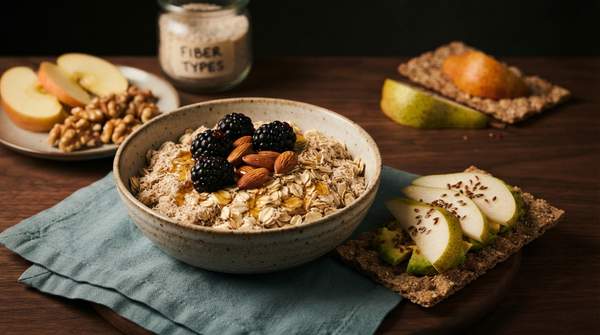
The most common reason a "better-for-you" snack flops is not its nutrition label; it is the mouth. Adding protein and fiber, swapping out sugar and fat, and experimenting with novel ingredients like microalgae routinely introduce off-flavors, dryness, and lost firmness. The good news, according to ingredient developers and food scientists across the industry, is that each of these pitfalls now has a corresponding ingredient strategy—from fermentation that builds umami while muting fishy notes, to hydrocolloids that restore moisture and bite.
The dual challenge: health and sensory appeal in snacks
Health is no longer a niche positioning in snacking—it is a baseline expectation, driven by demand for protein, fiber, and cleaner labels. But as Food Ingredients First's reporting on ingredient suppliers such as Hydrosol and Ingredion makes clear, "healthy indulgence" only works when improved nutrition arrives alongside appealing taste, texture, and mouthfeel. The two goals must be developed together, because every nutritional change ripples through the sensory profile of the product.
That coupling is what makes reformulation so hard. Reducing sugar or fat and adding protein or fiber reshapes everything from sweetness and creaminess to crunch and juiciness, the trade publication notes. A manufacturer cannot simply remove an ingredient and expect the eating experience to survive; the change to one component often demands adjustments elsewhere in the recipe. This is the central tension that defines modern snack development.