Have you ever wondered why certain snack combinations are simply irresistible, while others just don't quite hit the mark? It's not just a matter of personal preference; there's a fascinating science behind effective flavor pairing. By understanding how shared aroma compounds and contrasting basic tastes interact, you can intentionally create snack combinations that are either delightfully harmonious or wonderfully surprising. Our perception of flavor is a complex, multi-sensory experience, with a significant portion—approximately 80%—determined by our sense of smell, according to Foodpairing. This means that when we describe something as "tasting good," we're largely acknowledging its appealing aroma.
The Dominance of Aroma: Shared Compounds for Harmonious Snacks
Aroma plays a starring role in our flavor experience, allowing us to distinguish thousands of different odorant molecules. These volatile compounds reach our nose in two ways: directly through the nostrils (orthonasally) and from the back of our throats as we chew and exhale (retronasally). This dual pathway creates a rich and nuanced sensory profile for every bite. When ingredients share key aromatic molecules, they tend to harmonize on the palate, forming complementary pairings that often feel familiar and comforting. This principle is the foundation of many beloved snack combinations.
Scientific investigations into culinary practices, such as those that map a "flavor network" based on shared compounds, reveal that Western cuisines often show a tendency to use ingredient pairs that share many flavor compounds. This supports the idea that common aromatic components are a strong indicator of a successful, harmonious pairing. What was once guided by intuition and tradition has evolved into a data-driven art, with scientists and chefs collaborating to uncover the chemical logic behind these successful combinations, as noted by Wilmax.
Basic Tastes: Contrasts for Exciting Snack Experiences
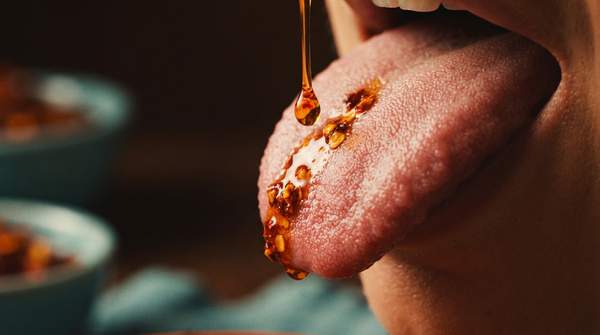
While aroma accounts for a significant portion of our flavor experience, the five basic tastes—sweet, salty, bitter, sour, and umami—are essential for a complete perception. These tastes are detected by our taste buds, and their interaction with aromas creates the full spectrum of flavor. Consider the simple act of drinking coffee: if you pinch your nose, the complex roasted and fruity aromas become imperceptible, leaving only a bitter-tasting beverage, as Foodpairing illustrates. This demonstrates how crucial aroma is, but also how fundamental basic tastes are to the overall experience. Beyond creating harmony through shared aromas, contrasting basic tastes can lead to exciting and surprising snack experiences.
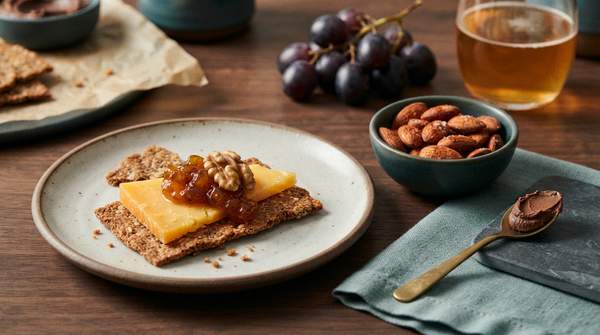
Our brain plays an equally important role, interpreting signals from our taste buds as a multi-sensory experience. Dr. Patel, a food chemist, describes this as "a delicate dance between the palate and the brain, where memories and biological responses meet to create a symphony of taste," according to Marky's. Pairing opposites, such as sweet and salty, can enhance overall flavor and create a balanced, appealing profile. For example, the bitterness in chocolate can highlight the natural sweetness of an orange, resulting in a bold yet balanced flavor, as observed by Professor Chang, a pioneer in experimental gastronomy.
This strategic use of contrast can elevate a simple snack into something unforgettable by achieving a balance that enhances rather than clashes with individual flavors.